


Check out the post below to see a review of what The Prescriptive Jurist accomplished in 2025!
January
On January 4th, editor Mehul Pahuja published his article, “The Dangers of Microplastics“. Through his research, he wrote on where microplastics are found, the types of microplastics, negative health impacts, and legislation that has been passed to circumvent its adverse effects.
A few days later, on January 10th, editors Nishi Pahuja and Mehul Pahuja virtually met up with writers Aryan Sharma, Hridhaan Jaguwala, Prachi Kotte, Rithika Pagala, Hari Kondepati, and Naga Kondepati to discuss ideas on the articles they wanted to publish for the upcoming year. They decided on aiming to publish their articles every two months and they brainstormed on how they could incorporate the Prescriptive Jurist into the International Baccalaureate’s requirements for CAS (Creativity, Activity, and Service) and into National Honor Society.
February
By the time February rolled around, editor Nishi Pahuja decided to modify the team’s goal of bimonthly articles by publishing her article, “Brain Organoids: How Microscopic Models Have Changed the World“. In this post, she discussed the history of brain organoids and how they have been implemented in contemporary medicine.
Before the end of the month, the team received the great news that they had been granted an ISSN (3066-8395) by the Library of Congress, meaning that other institutions now had the ability to cite articles by The Prescriptive Jurist in any of their own publications.
March
In March, writer Hari Kondepati informed her readers of a widespread disease in her article, “Smallpox in a Nutshell“. She wrote about the origin of smallpox in the Americas along with its global impact; millions of deaths worldwide propelled its cure to be found in 1796 before the illness’s complete eradication in 1980.
Editor Nishi Pahuja also published one of her own articles, “Donating Blood: The Pros and Cons“, upon an interesting observation of students in her high school experiencing harmful side effects after donating blood. After researching both the pros and cons of donating blood, she also wrote about the several uses of blood in patients, providing an informative summary for her readers.
April
Editor Mehul Pahuja released his article, “Gilbert’s Syndrome: What It Is, Causes, & Symptoms” at the end of the month and provided a helpful review of the illness for The Prescriptive Jurist’s subscribers. He explained how a genetic mutation results in an increase of the pigment bilirubin, which is a direct cause of Gilbert’s Syndrome. Upon contracting this disease, Mehul described that jaundice is a typical symptom, but assured his readers that the syndrome is quite common and harmless.
May
Mehul Pahuja guided The Prescriptive Jurist into the summer with his next article, “Traveler’s Diarrhea“, where he discussed the various causes of the troublesome condition, such as typical pathogens and viruses. He also provided readers with ailments that help to reduce the effects of traveler’s diarrhea and eradicate it from tourists’ vacations. With his article, Mehul comforted the minds of The Prescriptive Jurist’s subscribers before they set out on their summer plans.
June
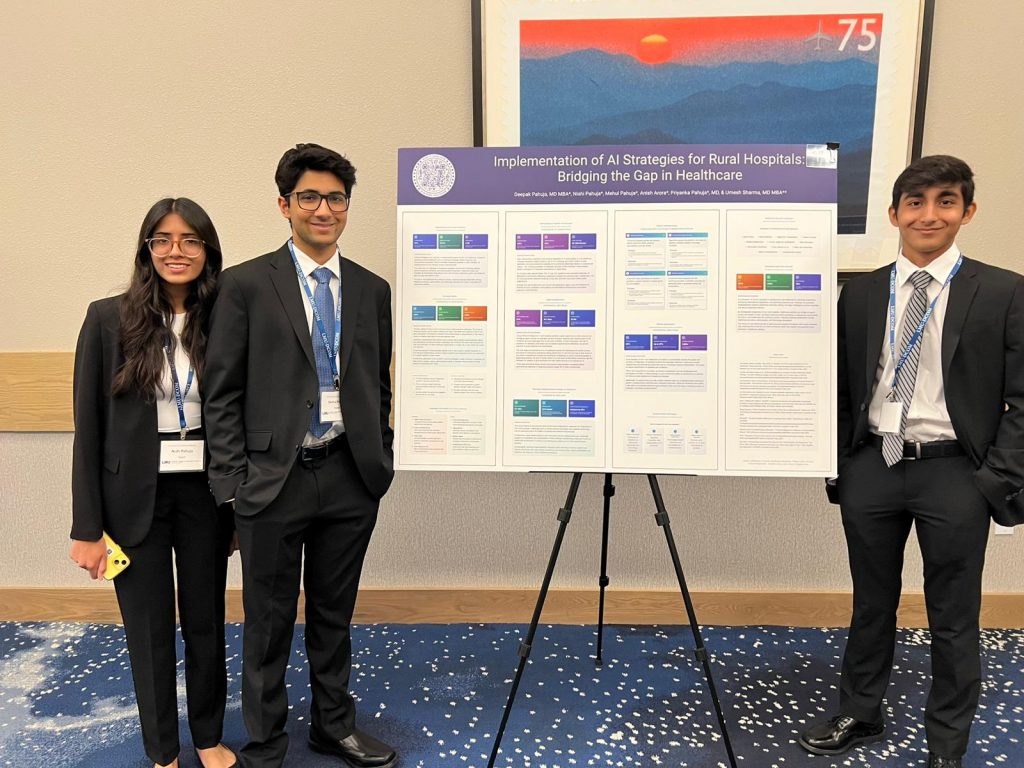
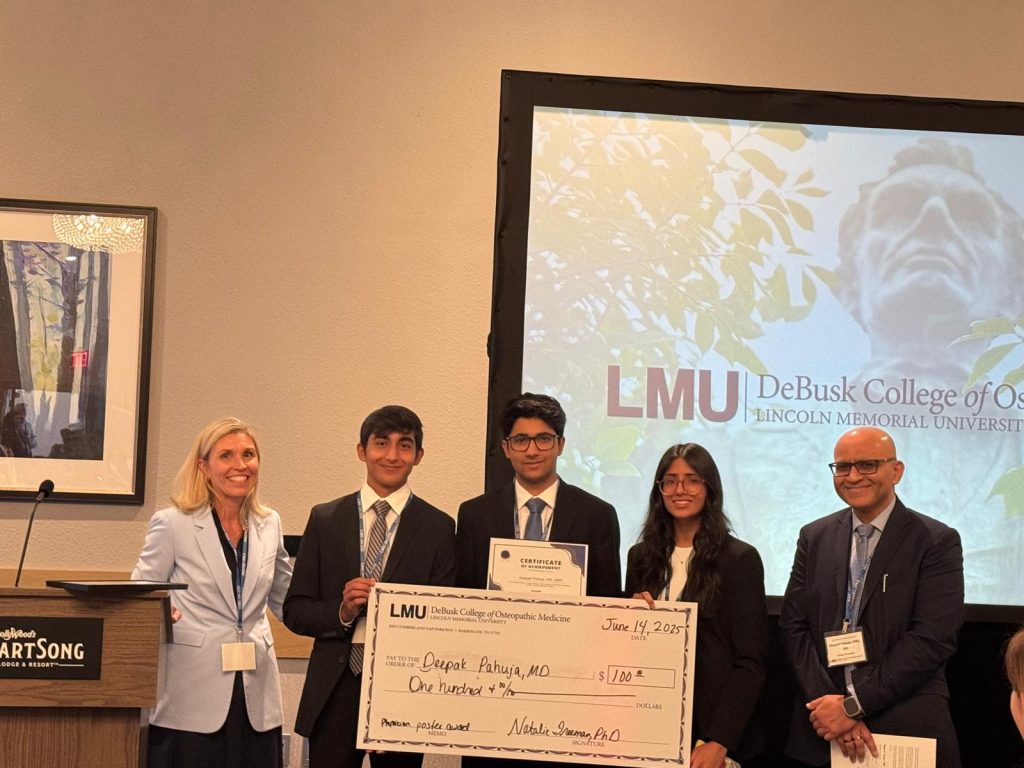
On June 14th, The Prescriptive Jurist team, consisting of team members Anish Arora, Mehul Pahuja, and Nishi Pahuja presented their research on the Implementaion of AI Strategies for Rural Hospitals: Bridging the Gap in Healthcare at Lincoln Memorial University’s CME Conference in Tennessee. Led by Dr. Deepak Pahuja and guided by Akshita Arora, Jyoti Arora, Neeraj Arora, Dr. Umesh Sharma, and Dr. Priyanka Pahuja, the three showcased their knowledge on the legal and ethical aspects of AI in rural healthcare, AI’s clinical applications, and operational challenges. The team also won the Best Preceptor Poster award; make sure read an overview of the presentation Deepak Pahuja’s post, “Implementation of AI Strategies for Rural Hospitals: Bridging the Gap in Healthcare“. Don’t forget to check out the website covering all of the content, too!
Nishi Pahuja returned home and published her article “Everything You Need to Know About Robotic Surgery“, where she researched on the origins, pros and cons, and the legal aspects of the procedure. By encompassing various details of robotic surgery, Nishi informed her readers of an innovative example of modern technology along with a legal interpretation.
As June was coming to a close, members Nishi Pahuja, Mehul Pahuja, Hari Kondepati, Naga Kondepati, Tanvi Kulkarni, Prachi Kotte, and Rithika Pagala met up at the Frisco Public Library to decide on a slate of articles they aimed to publish over the next few months. The Prescriptive Jurist’s Instagram account was also introduced to the team; make sure to follow their account and check out their posts!


August
Prachi Kotte’s article, “The Emergence of 3D Bioprinting“, informed readers on how living cells combined with synthetic biomaterials are used to establish natural tissue-like 3D formations. These structures are then used in personalized treatments, drug testing, and organ transplants. She also provided an example of Tel Aviv’s University successful 3D-bioprinted human heart that was modeled after a patient’s own organ, leaving readers with an opportunity to dive deeper into the technology.
September
In September, Nishi Pahuja published her article, “An Introduction to Forensic Psychiatry: The Intersections Between Mental Health & the Law“, in order to inform readers of how caring for incarcerated individuals’ mental health became a core practice in medicine. She also noted on how the pandemic facilitated an increase in mental health disorders in criminals, which brought attention to the desperate need for forensic psychiatry. Nishi pointed out that AI is biased against criminals, which means that mental health diagnoses aren’t always fair. She concluded by providing a few locations where forensic psychiatrists are found and the vitality of their practice.
October
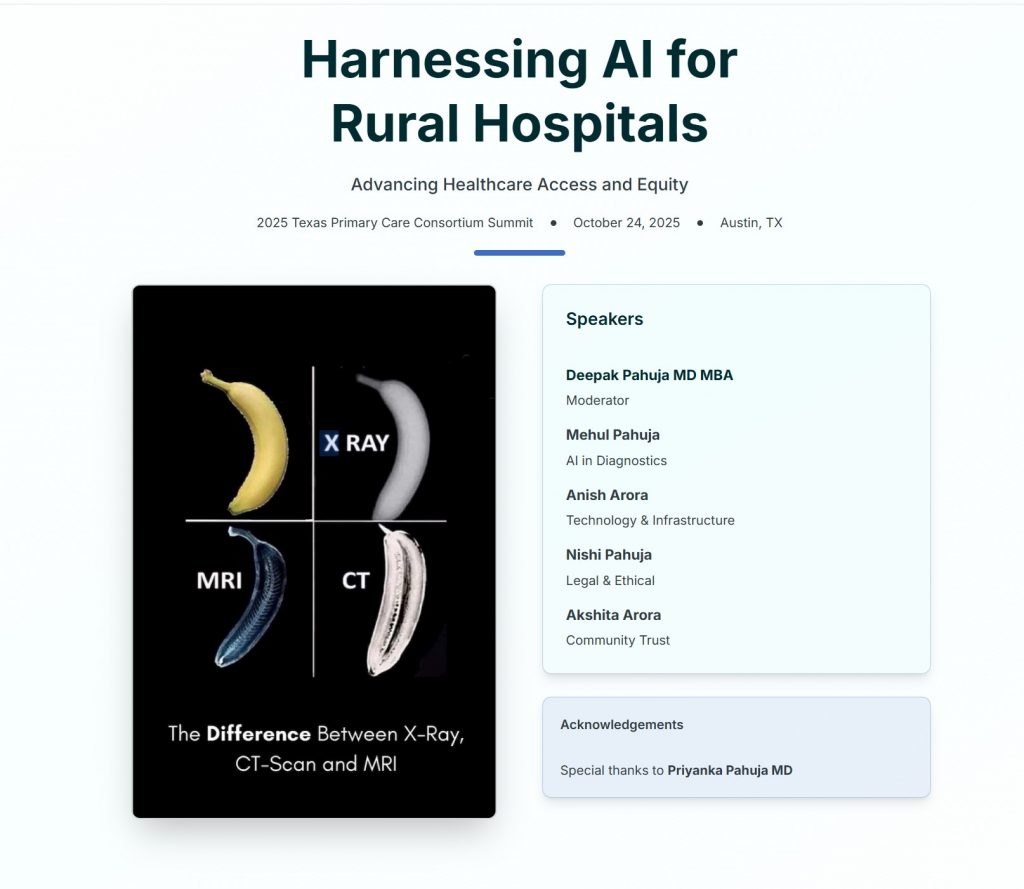
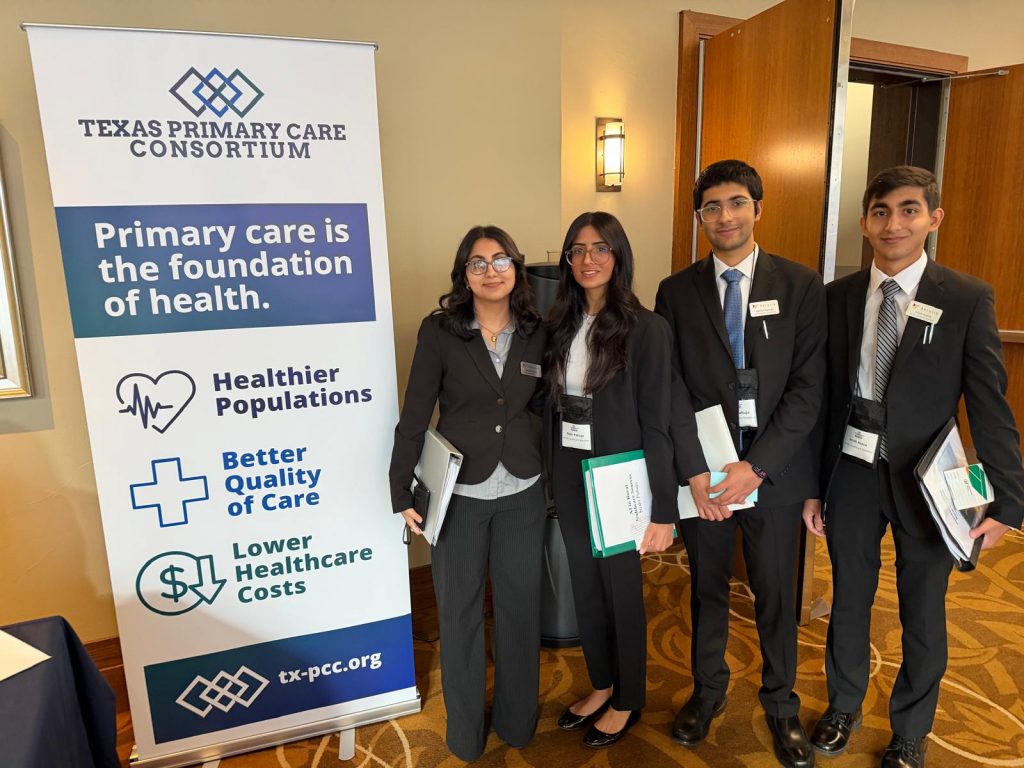
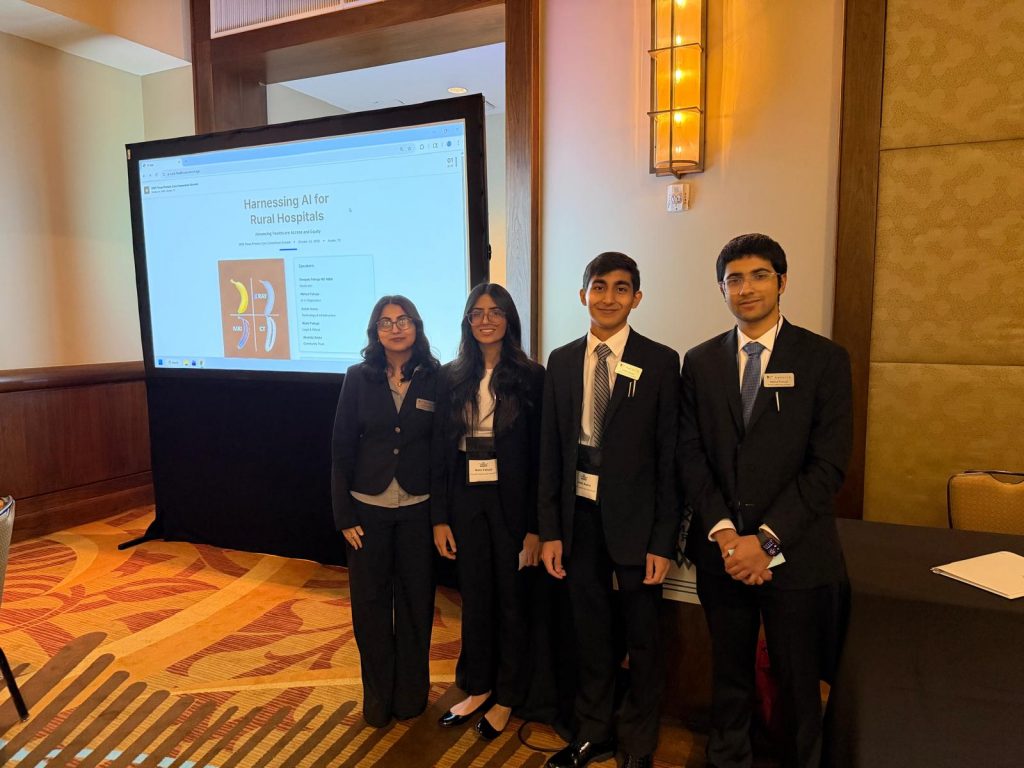
On October 24th, 2025, The Prescriptive Jurist team, along with Aerolib Healthcare Solutions LLC, traveled to Austin, Texas to present their topic, “Harnessing AI for Rural Hospitals: Advancing Healthcare Access and Equity”, at the Texas Primary Care Consortium Summit. Led by Dr. Deepak Pahuja, presenters Akshita Arora, Anish Arora, Mehul Pahuja, and Nishi Pahuja discussed the diagnostics and decision support, psychological and community trust, and infrastructure and technology barriers due to AI. They also mentioned the challenges faced by rural hospitals and the legal components of AI. Nishi Pahuja covered the presentation more in-depth in her article, “Texas Primary Care Consortium: Exploring AI’s Role in Advancing Rural Healthcare“; make sure to also click here to view the website that was displayed at the event!
November
Tanvi Kulkarni published her article, “Cancer Screenings: What They Are and Why They Matter“, at the end of November and provided readers with a comprehensive review of the pros and cons of cancer screenings. She also evaluated how the access to cancer screenings is impacted by social determinants of health. She concluded her article by reminding readers to consider both the advantages and disadvantages of cancer screenings before getting one.
December
Nishi Pahuja concluded the year by publishing this review; stay tuned for what The Prescriptive Jurist releases in 2026 and make sure to follow them on Instagram!
Image Credit: svetlanabar
Thanks for the update and congratulations on the achievements!