
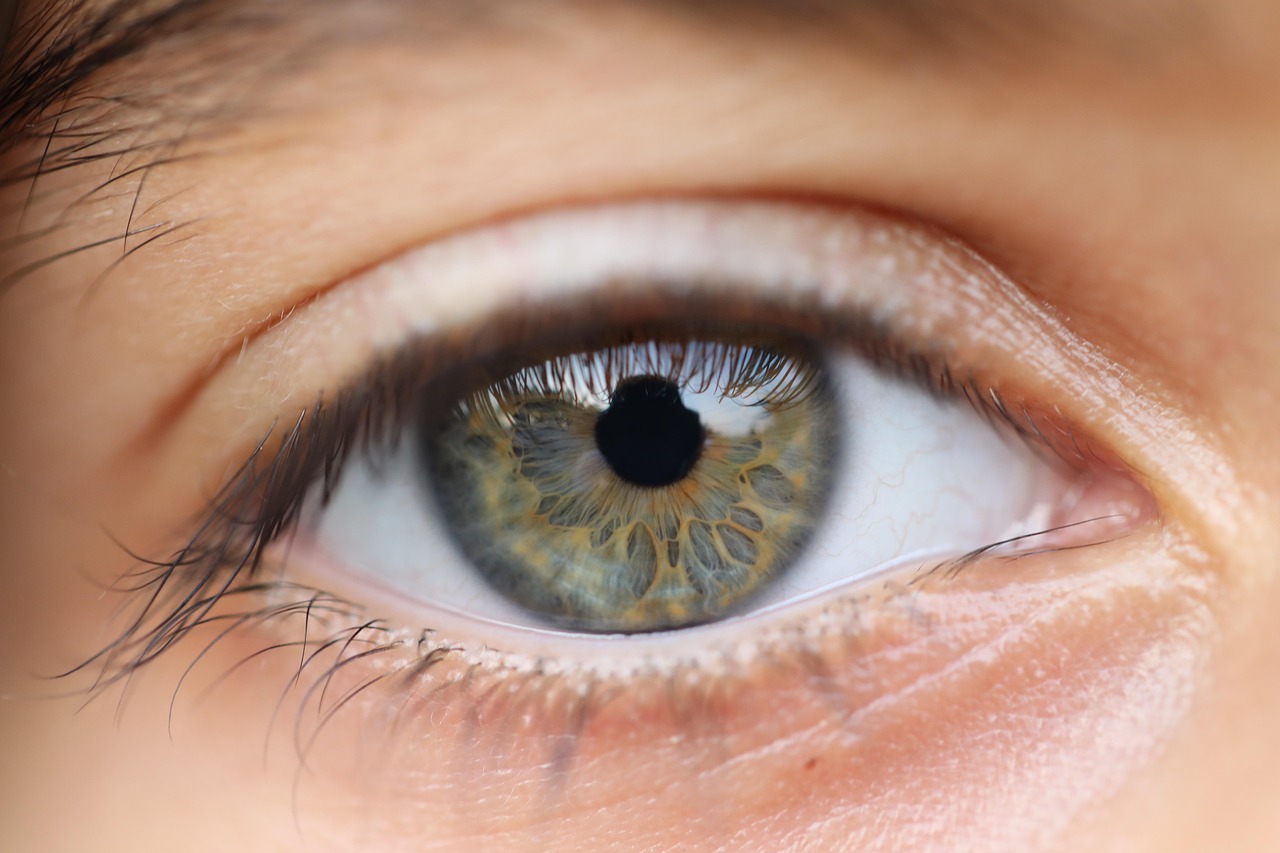

Depression, face sagging, dementia, alcohol intolerance, gastroparesis, teeth falling out, and anxiety attacks are just some of the crazy side effects people are claiming Ozempic and other GLP-1s are rumored to have. As these “miracle drugs” have soared in popularity, many people have started vocalizing any and every new complication they experience, and while some may be genuinely caused by these medications, many are unsupported by significant evidence. However, one such claim, negative effect on eye health, has some merit.
Ozempic is a semaglutide, which is a glucagon-like peptide-1 (GLP-1) receptor agonist, meaning it can simulate the feeling of hunger after eating less food than usual, and is usually for those with type 2 diabetes in order to help with blood sugar and weight loss, though many people take without necessarily needing it simply to lose weight. However, new evidence suggests that this can negatively affect eye health in some people, especially those with pre-existing eye conditions or other factors.
One of the more serious possibilities with semaglutide is Non-Arteritic Anterior Ischemic Optic Neuropathy (NAION), which is a condition where reduced blood flow to the optic nerve can cause sudden vision loss. The European Medicines Agency states that “exposure to semaglutide in adults with type 2 diabetes is associated with an approximately two-fold increase in the risk of developing NAION compared with people not taking the medicine.” However, this is still a rare occurrence, happening to around 1 in 10,000 people. This led to their conclusion that NAION is still a “very rare side effect of semaglutide.”
Semaglutide can also worsen some effects in people with diabetes, specifically diabetic retinopathy, a complication from diabetes where high blood sugar levels damage the blood vessels in the eye. The changes in blood glucose can possibly worsen the retinopathy, which can lead to blurry vision or or other changes in the eye. However, a study by Joo et al. and a retrospective study from the Cole Eye Institute found that semaglutide was not linked to worsening diabetic retinopathy and that its progression was not generally influenced by the drug, though results may differ based on other factors.
Specifically, the study by Joo and colleagues did not find an increased worsening of diabetic retinopathy compared to another diabetes drug class. The researches compared patients on GLP-1 receptor agonists with patients on SLGT-2 (sodium-glucose cotransporter-2) inhibitors, which also lower glucose levels. The outcomes they saw among all patients was that the progression of retinopathy was similar between the two groups, which means semaglutide is not necessarily worse than other medications for people with diabetes regarding its effect on diabetic retinopathy. The retrospective study from the Cole Eye Institute came to a similar conclusion, as they observed no significant difference in the progression of diabetic retinopathy or need for important interventions like surgeries between patients who took GLP-1 receptor agonists compared to those who took SGLT-2 inhibitors.
Overall, Ozempic and similar medications are highly beneficial for managing diabetes and weight, but it can have negative consequences in terms of eye health. While there are not many risks to the eyes, and those that do are rare, they still exist. Uncommon situations are still possible, so asking about potential effects to the eye is important when considering taking a semaglutide.
Image Credit: jonaszara
Sources:
Clinic, Cleveland. “Cole Eye Patients Taking GLP-1 Receptor Agonists for Diabetes Did Not Have Worsening Retinopathy.” Cleveland Clinic, 26 June 2024, consultqd.clevelandclinic.org/cole-eye-patients-taking-glp-1-receptor-agonists-for-diabetes-did-not-have-worsening-retinopathy. Accessed 13 Feb. 2026.
Ramsey DJ, Makwana B, Dani SS, et al. GLP-1 Receptor Agonists and Sight-Threatening Ophthalmic Complications in Patients With Type 2 Diabetes. JAMA Netw Open. 2025;8(8):e2526321. doi:10.1001/jamanetworkopen.2025.26321
Hazanchuk, Vered. “Can Ozempic Affect Eye Health? Here’s What Ophthalmologists Want You to Know.” American Academy of Ophthalmology, edited by Raj K Maturi, 11 June 2023, www.aao.org/eye-health/news/can-ozempic-affect-eye-health-here-s-what-ophthalm.
“How Does Ozempic (Semaglutide) Affect Eye Health?” All about Vision, 2024, www.allaboutvision.com/conditions/related/ozempic-eye-side-effects. Accessed 13 Feb. 2026.
Joo, Julia J., et al. “The Effect of Glucagon-like Peptide-1 Receptor Agonists on Diabetic Retinopathy at a Tertiary Care Center.” Ophthalmology Science, vol. 4, no. 6, Dec. 2024, https://doi.org/10.1016/j.xops.2024.100547.
Muse, Debbie. “Can Ozempic Affect Your Eyes or Vision? – Texas Retina Associates.” Texas Retina Associates – Where Your Vision Is Our Mission, 21 May 2025, www.texasretina.com/2025/05/21/can-ozempic-affect-your-eyes-or-vision. Accessed 13 Feb. 2026.
“PRAC Concludes Eye Condition NAION Is a Very Rare Side Effect of Semaglutide Medicines Ozempic, Rybelsus and Wegovy | European Medicines Agency (EMA).” European Medicines Agency (EMA), 6 June 2025, www.ema.europa.eu/en/news/prac-concludes-eye-condition-naion-very-rare-side-effect-semaglutide-medicines-ozempic-rybelsus-wegovy.
Simonsen, Emma, et al. “Use of Semaglutide and Risk of Non‐Arteritic Anterior Ischemic Optic Neuropathy: A Danish–Norwegian Cohort Study.” Diabetes Obesity and Metabolism, Wiley, Mar. 2025, https://doi.org/10.1111/dom.16316.
Thomsen, Reimar W et al. “Real-world evidence on the utilization, clinical and comparative effectiveness, and adverse effects of newer GLP-1RA-based weight-loss therapies.” Diabetes, obesity & metabolism vol. 27 Suppl 2,Suppl 2 (2025): 66-88. doi:10.1111/dom.16364