
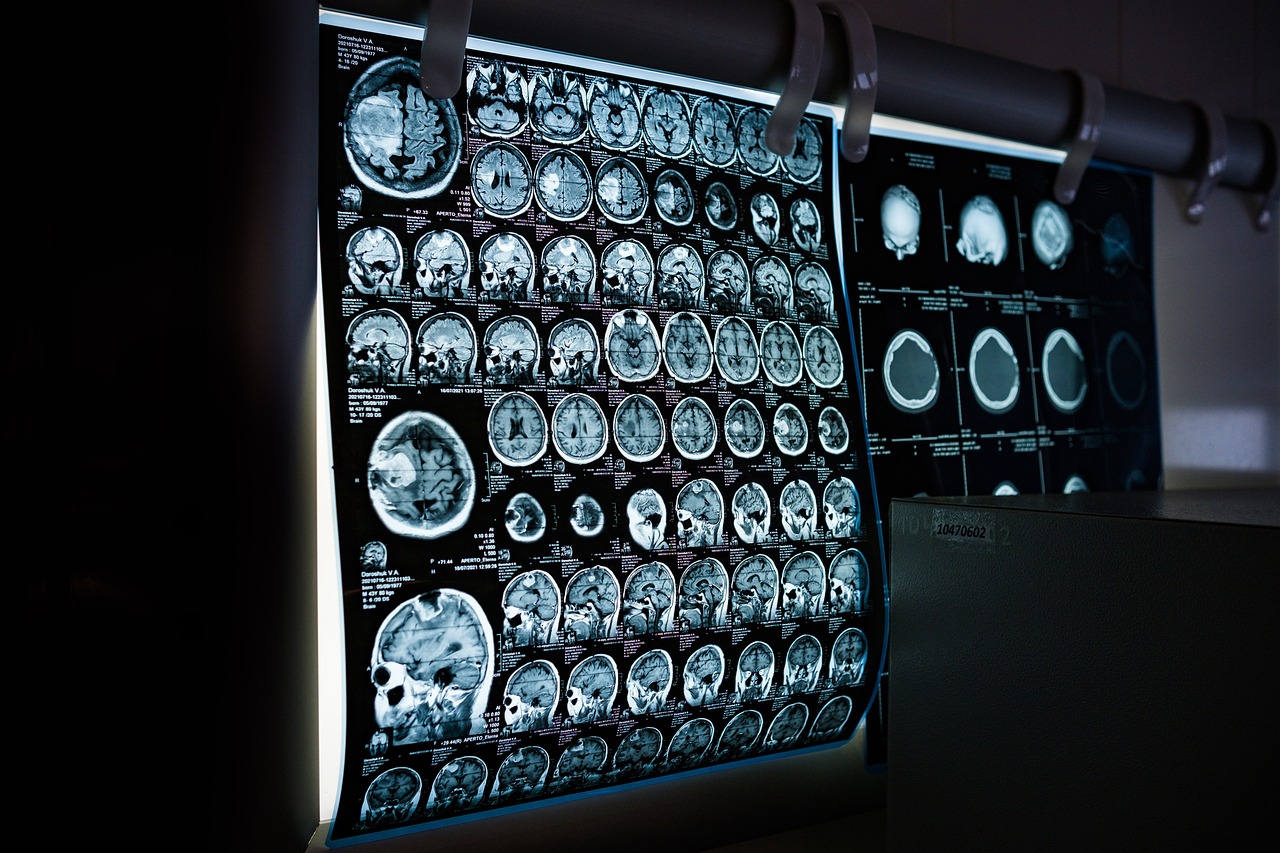

Due to the increasing concerns about our health and safety fueled by social media, people may discover the urge to get a cancer screening done. One may be bombarded with possible symptoms or develop a fear of having cancer. Though this fear is appropriate for many, one should also evaluate the options they have before requesting a screening.
Types of Cancer Screenings
There are several types of cancer screenings; physical tests involve doctors viewing the body of a patient and checking for unusual lumps or other features that could indicate harmful cancers. Lab tests take samples of blood, tissues, or urine and analyze the composition of these substances, while genetic tests evaluate modifications in a patient’s genome that could be potentially dangerous. Lastly, imaging procedures include tests like mammograms or CT scans.
Potential Drawbacks of Cancer Screenings
With these tests come risks for a patient’s health; for example, a colon cancer screening may cause tears in the lining of the colon. If completely healthy before, the check may cause problems one didn’t have prior to the screening. Another possible effect is a false positive, which is common among screenings. This can have detrimental effects on a person’s mental health. Alternatively, a false negative can occur, resulting in more damage done by a cancer that was missed.
In addition, cancer screenings can also “over diagnose.” This happens when the screening process detects cancers that are growing slowly and do not pose significant threats. Upon seeing this detection, procedures and treatments may be put into effect when they were not actually needed, resulting in additional expenses for patients.
Risk of Radiation
Another risk is the possibility of radiation exposure. Radiation is measured in millisieverts (mSv), and US citizens usually receive 3 mSv annually from regular sources of radiation, such as the sun — this is known as background radiation. For cancer screenings, a mammogram may result in 0.4 mSv of radiation, while a CT scan can expose a patient to 10 mSv. Radiation can result in an increased risk for cancer, but there isn’t enough research to affirm this.
When deciding whether or not to go in for a screening, patients must think about many factors. These factors include age, personal risk (hereditary risk for example), and extent of symptoms.
Benefits of Cancer Screenings
On the other hand, there are many benefits that come with cancer tests. Cancer screenings are recommended by the United States Preventive Services Task Force (USPSTF) and are covered by most insurance companies. Cervical screenings, mammograms, and colonoscopies have also saved thousands of lives through early detection. Lung cancer screening does have its controversies, since proper diagnoses require transthoracic needle biopsy, which involves using a needle to confirm the lung is afflicted with cancer and can, in some cases, result in a collapsed lung. However, with efficient systems, it’s extremely necessary to get screened for lung cancer, especially if one is an avid smoker.
One of the main reasons people complete cancer screenings completed is the advantage that comes with early detection, which can spot cancer even before a patient reports any symptoms. Because of this, an incredible number of lives have been saved and recovery for many has been much quicker.
Social Determinants of Health
Of course, it’s important to consider the social determinants of health that dictate access to reliable healthcare and accurate cancer screenings. Individuals that have more income have been found to visit higher-quality medical centers for cancer tests in contrast to the hospitals available to people of lower incomes. In addition, hospitals that receive a large number of patients have less time to spend on each person, meaning that their quality of care goes down.
Overall, getting a cancer screening is helpful for many and should be completed, especially for those at risk for certain types. Nevertheless, one should remember to be mindful of the potential risks and costs of the tests they are getting done.
Image Credit: Mitrey
Sources:
American Cancer Society. “Understanding Radiation Risk from Imaging Tests.” Www.cancer.org, 3 Aug. 2018, www.cancer.org/cancer/diagnosis-staging/tests/imaging-tests/understanding-radiation-risk-from-imaging-tests.html. Accessed 11 July 2025.
“The Benefits of a Cancer Screening | Gateway for CR.” Gateway for Cancer Research, 16 June 2023, gatewaycr.org/about/in-the-news/cancer-screening/. Accessed 30 Nov. 2025.
“Cancer Screenings: Understanding the Pros and Cons | Pfizer.” Pfizer.com, 2022, www.pfizer.com/news/articles/cancer_screenings_understanding_the_pros_and_cons. Accessed 11 July 2025.
Jaber, Nadia. “Cancer Screening Guidelines Lack Information on Harms – NCI.” Www.cancer.gov, 23 Nov. 2022, www.cancer.gov/news-events/cancer-currents-blog/2022/cancer-screening-guidelines-lack-harms. Accessed 11 July 2025.
Rosen, Aliza. “Balancing the Benefits and Risks of Cancer Screening | Johns Hopkins | Bloomberg School of Public Health.” Publichealth.jhu.edu, 24 Feb. 2023, publichealth.jhu.edu/2023/balancing-the-benefits-and-risks-of-cancer-screening. Accessed 30 Nov. 2025.
One thought on “Cancer Screenings: What They Are and Why They Matter”