
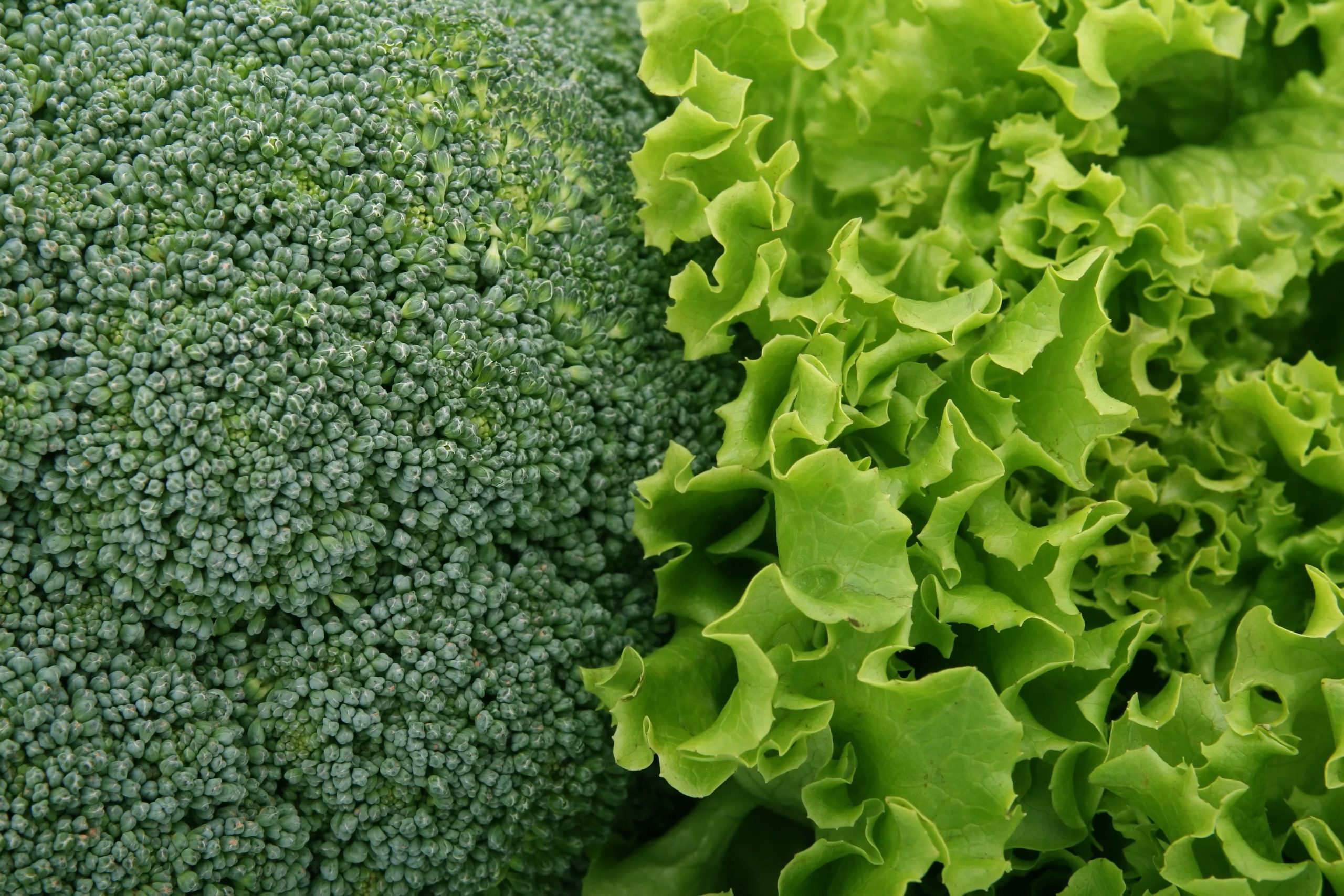
Cyclosporasis is an intestinal illness caused by the parasite Cyclospora cayetanensis. Although it is not new, it has become an emerging food borne public-health concern in the United States because of increases in reported cases and outbreaks. CDC data show that reported U.S. cases more than doubled from 537 in 2016 to 1,194 in 2017, then doubled again in 2018 with 3,519 cases, and rose again to 4,703 in 2019. However, some of this increase can be due to improvements in testing that allow infections that previously went undiagnosed to be detected. Outbreaks have frequently been connected to contaminated fresh produce, making cyclosporiasis an increasingly important issue for food safety.
The most common symptom of cyclosporiasis is frequent, watery diarrhea. Other symptoms can include loss of appetite, weight loss, stomach cramps, bloating, nausea, fatigue, and increased gas. Some people may also experience vomiting, headaches, body aches, or a fever, and others may have no symptoms at all. Without treatment, the illness can continue for several weeks, and symptoms may disappear temporarily before returning. People with weakened immune systems may be at greater risk of experiencing more prolonged or severe illness.
Cyclosporiasis is not always easy to diagnose. The infection is generally diagnosed by examining stool samples for evidence of Cyclospora. However, the parasite may not always appear in testing, so patients sometimes have to provide samples from multiple days. In addition, testing for the parasite is not always included in routine examinations, which means healthcare providers may have to specifically request the test. Molecular tests like PCR (polymerase chain reaction) can also be used to identify the parasite’s DNA.
The preferred medication for cyclosporasis is an antibiotic combination called trimethoprim-sulfamethoxazole (TMP-SMX). Healthy people may eventually recover without medication, but untreated symptoms can last anywhere from a few days to a month or even longer. Drinking fluids is also important as diarrhea can cause dehydration. Preventing cyclosporiasis mainly consists of reducing exposure to contaminated food and water. Washing fresh fruits and vegetables under clean water, as well as practicing good handwashing and food-handling habits are vital for consumers. However, washing does not guarantee killing all Cyclospora parasites, and standard sanitizers may not effectively kill them. Food producers can further reduce risk with sanitation, worker hyena, and protection of food and water sources from contamination with waste. These precautions are especially important because fresh produce has been connected to several cyclosporiasis outbreaks.
Overall, cyclosporasis is becoming an increasingly important health concern as reported cases and outbreaks continue to draw attention. Although the infection is treatable, preventing contamination and recognizing symptoms early are important for limiting its impact. With greater awareness, improved food safety practices, and continued monitoring, future outbreaks can be reduced and prevented.
CDC. “About Cyclosporiasis.” Cyclosporiasis, 14 May 2024, https://www.cdc.gov/cyclosporiasis/about/index.html. Accessed 24 Aug. 2026.
—. “Clinical Care of Cyclosporiasis.” Cyclosporiasis, 15 May 2024, https://www.cdc.gov/cyclosporiasis/hcp/clinical-care/index.html. Accessed 24 Aug. 2026.
—. “Clinical Overview of Cyclosporiasis.” Cyclosporiasis, 14 May 2024, https://www.cdc.gov/cyclosporiasis/hcp/clinical-overview/index.html. Accessed 24 Aug. 2026.
Center for Food Safety and Applied Nutrition. “Cyclospora.” U.S. Food and Drug Administration, 2019, https://www.fda.gov/food/foodborne-pathogens/cyclospora. Accessed 24 Aug. 2026.
—. “Cyclosporiasis and Fresh Produce.” U.S. Food and Drug Administration, 2019, https://www.fda.gov/food/foodborne-pathogens/cyclosporiasis-and-fresh-produce. Accessed 24 Aug. 2026.